

- local
- FREE
- PRIVATE
Uncovering the Secrets of the Powerful Owl
- - (AEST)
-
Uncovering the Secrets of the Powerful Owl
Tamborine Mountain, Tamborine Mountain, QLD 4272, Australia
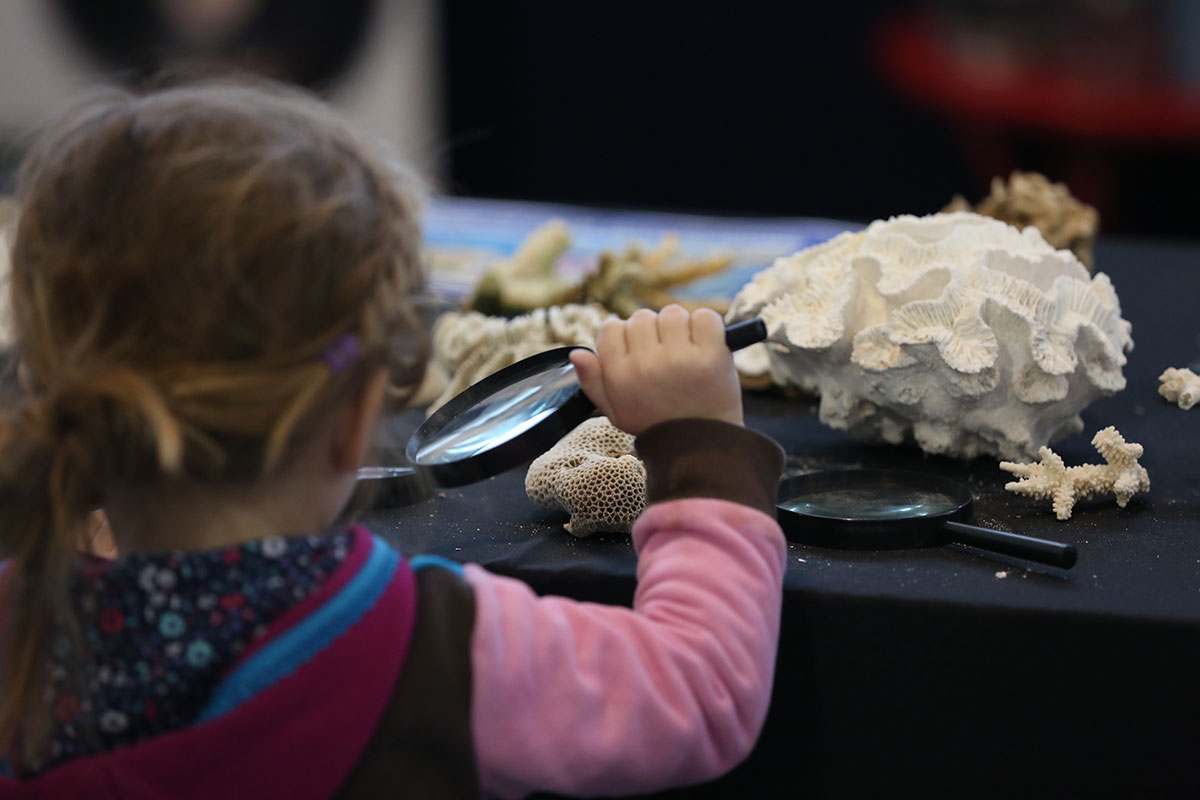
Uncovering the Secrets of the Powerful Owl, proudly supported by the Queensland Government—Engaging Science Grants
Science Comes Alive at Tamborine Mountain College
What can a handful of owl pellets tell us about one of Australia's most elusive and threatened predators?
Quite a lot, as our Year 5 students are about to discover.
On Thursday 13 August, Tamborine Mountain College's Year 5 students will step into the role of wildlife scientists during a unique hands on learning experience that transforms the Secondary Science Laboratory into a real world ecological research centre.
From 9:00 am until approximately 11:00 am, students will carefully dissect genuine Powerful Owl pellets under the guidance of respected environmental educator Birdlife Australia's Andrew Dinwoodie, alongside Powerful Owl Project volunteers Lucy Paul and Dr Nick Hamilton.
Rather than simply learning about food chains from a textbook, students will investigate physical evidence left behind by Australia's largest owl. Each pellet contains tiny bones, fur and other remains from prey species, allowing students to reconstruct the owl's diet, identify local mammals and understand the critical role apex predators play in maintaining healthy ecosystems.
Every pellet tells a story.
Every bone becomes a clue.
Every discovery contributes to a greater understanding of the natural world.
Students will use scientific observation, classification, recording and critical thinking skills to analyse their findings before comparing results with classmates, just as professional field ecologists do.
This immersive experience forms part of Tamborine Mountain College's commitment to authentic, inquiry based STEM education, where students don't simply learn science, they experience it.
Learning Beyond the Classroom
The event also highlights the College's growing partnership with the Powerful Owl Project, an important conservation initiative dedicated to monitoring and protecting one of Australia's threatened owl species.
The Powerful Owl is an iconic predator of South-East Queensland forests, yet many people never have the opportunity to see one in the wild. Habitat loss, fragmentation and environmental pressures continue to threaten local populations, making scientific monitoring more important than ever.
Through activities like pellet dissection, students gain a deeper appreciation for biodiversity while developing an understanding of how scientists collect evidence to monitor wildlife populations.
This experience demonstrates that science is much more than laboratory experiments—it is curiosity, investigation, evidence and discovery working together to help solve real environmental challenges.
A Grant Bringing Science to Life
This exciting learning opportunity has been made possible through Tamborine Mountain College's successful Queensland Engaging Science Grant.
Earlier this year, the College was awarded this grant for its project, "The TMC Powerful Owl Showcase: Engaging Science and Eco-tourism in our Community" proudly supported by the Queensland Government—Engaging Science Grants. The funding recognises the College's innovative approach to combining STEM education, conservation science and community engagement through authentic environmental learning experiences.
The project is designed to connect students, educators, scientists and the wider community through meaningful citizen science initiatives centred around the conservation of the Powerful Owl and the unique biodiversity of Tamborine Mountain.
By bringing students into direct contact with scientists and conservation volunteers, the program inspires curiosity, encourages scientific thinking and demonstrates how young people can actively contribute to protecting Australia's natural environment.
Learning Through Authentic Science
The pellet investigation is just one component of the College's broader environmental science program.
Throughout the year, students have been engaging with technologies such as AudioMoths, specialised acoustic recording devices that help monitor owl activity within local habitats. These recordings contribute valuable ecological information while giving students firsthand experience with the same technologies used by environmental researchers.
Combined with habitat studies, biodiversity investigations and conservation education, these experiences provide students with a genuine understanding of how modern science supports wildlife conservation.
Inspiring Tomorrow's Scientists
At Tamborine Mountain College, we believe the most powerful learning occurs when students can ask questions, investigate real problems and make authentic discoveries.
Whether identifying tiny jawbones hidden inside an owl pellet, recording scientific observations or discussing the importance of protecting native wildlife, our Year 5 students won't simply be completing a science lesson, they'll be thinking, observing and investigating like real scientists.
Perhaps among these young owl detectives is a future ecologist, conservation biologist, wildlife veterinarian or environmental scientist.
Every great scientific journey begins with curiosity.
Sometimes, it begins with an owl pellet.
We look forward to sharing the discoveries our Year 5 students make as they uncover the fascinating secrets hidden within Australia's magnificent Powerful Owl.