

- local
- FREE
- PRIVATE
National Science Week Celebration at Melba Copland Secondary School
- From
-
Melba Copland Secondary School
Melba Copland Secondary School, Melba, ACT 2615, Australia
Science in Action: A Hands‑On STEM Discovery Week is a secondary-focused program designed to deepen students’ engagement through authentic, inquiry‑based learning experiences. During National Science Week, students in Years 7–9 will participate in a series of investigations and engineering challenges aligned with key strands of the science curriculum, including Physical Sciences, Biological Sciences, Chemical Sciences, and STEM.
Activities will emphasise scientific thinking and real‑world application, requiring students to hypothesise, design experiments, collect and analyse data, and evaluate results. Learning stations may include chemical reaction investigations, forces and motion challenges, biological sampling tasks, and problem‑solving scenarios that mirror real scientific and technological issues.
Secondary students will support the facilitation of activities, providing leadership opportunities and reinforcing peer learning. Students will document their processes and findings using tables, graphs, and annotated diagrams to strengthen scientific literacy and communication skills.
This project promotes curiosity, collaboration, and critical thinking while fostering sustained interest in STEM pathways and celebrating National Science Week.
Key Activities:
-
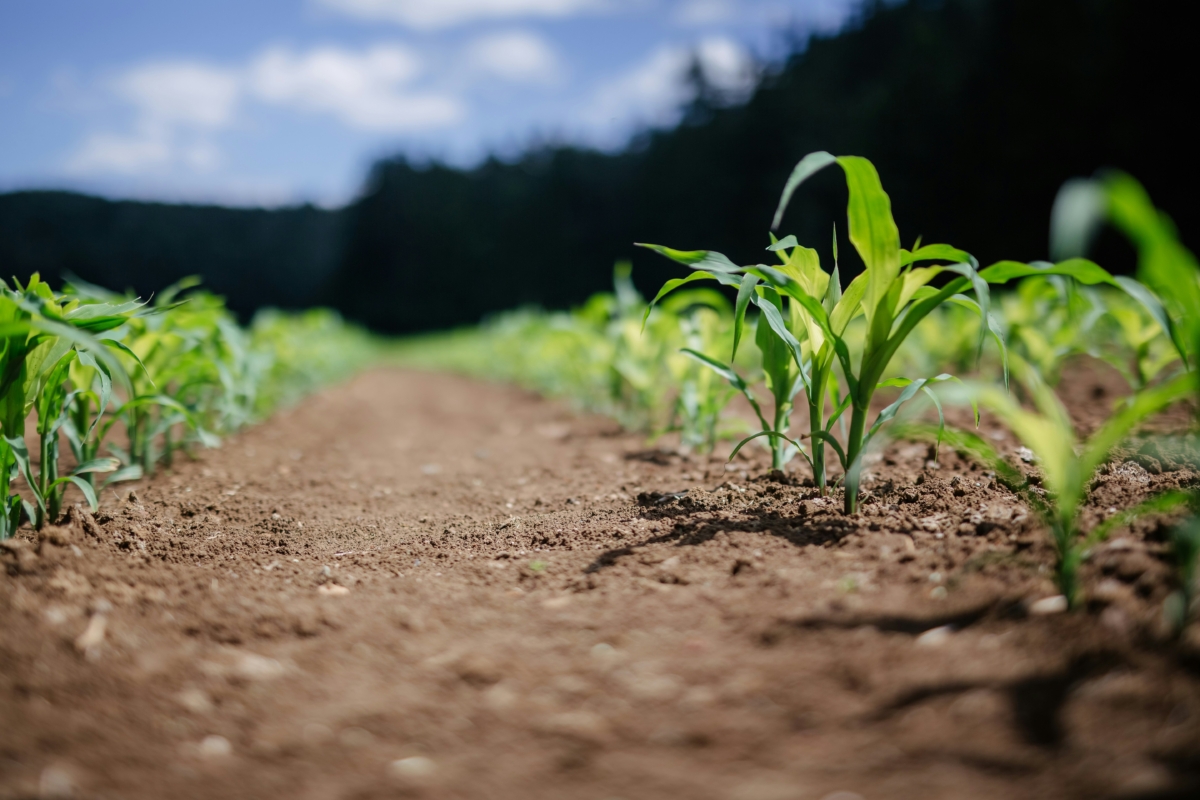
Plant growth investigation — Students conduct controlled experiments to compare plant growth under different conditions such as light levels, water availability, and soil types. They record observations systematically, analyse collected data, and draw evidence‑based conclusions.
-
Student project exhibition — Classes host a small‑scale showcase where students present their experimental findings or STEM projects. This encourages peer learning, scientific communication, and the sharing of ideas in an authentic audience setting.
-
Water‑efficient design challenge — Students complete a simple engineering task, such as designing and building a water‑efficient growing system using recycled materials. They apply STEM principles, test their prototypes, and refine their designs based on performance.