

- local
- FREE
- PRIVATE
Seed Stories – Science, survival and sustainability at Goonengerry Public School
- - (AEST)
-
Goonengerry Public School
Goonengerry Public School, Goonengerry, NSW 2482, Australia
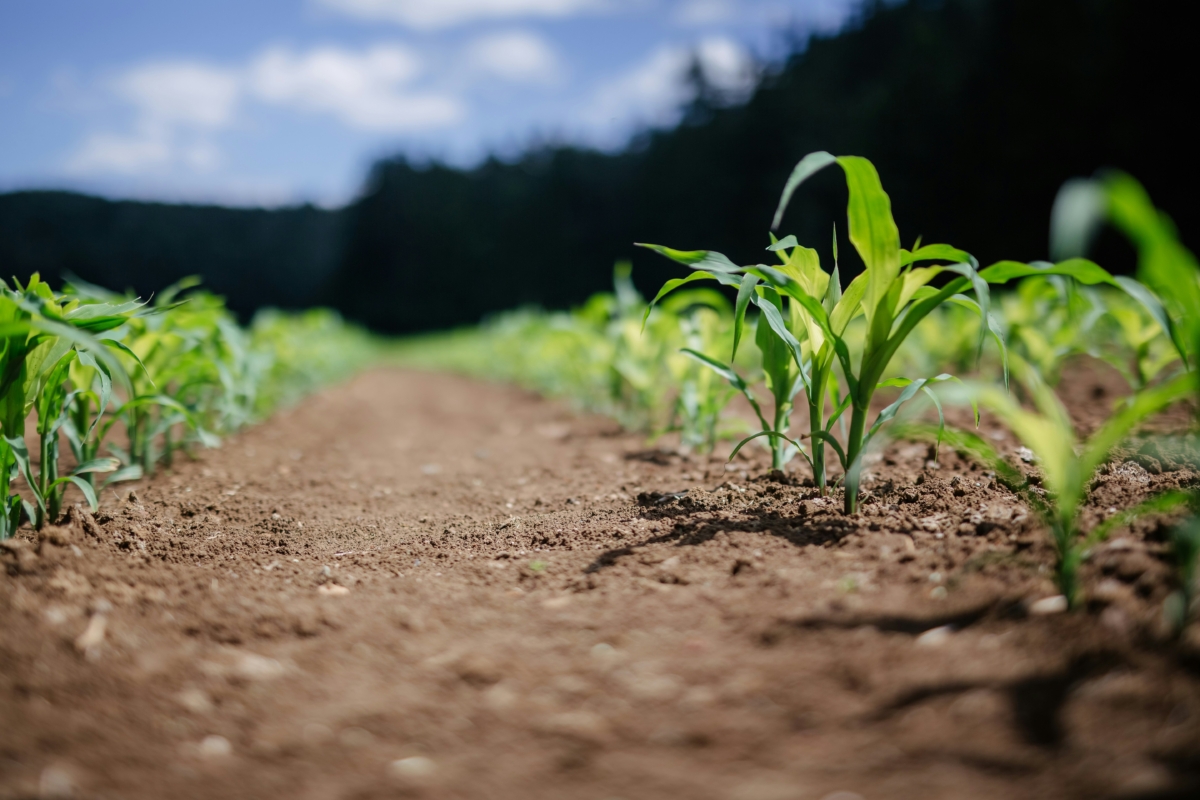
Every seed tells a story—come and help us uncover it!
Did you know that a tiny seed can travel around the world, survive for years, and grow into food, flowers or even a forest? This National Science Week, we're inviting our students, families and community to discover the incredible science hidden inside a seed. Building on the success of our 2025 pollinator garden project, students will become seed scientists as they investigate how seeds are formed, how plants reproduce, and why pollinators such as bees are essential for life on Earth. Through hands-on investigations, students will collect, sort, test, label and save seeds from plants growing in our school garden, including beans, peas and tomatoes. There will be plenty of opportunities to get hands-on! Students will create seed heads and seed bombs, conduct germination experiments, explore how seeds travel, and discover what plants need to survive and thrive. Along the way, they'll learn about food production, biodiversity and how science can help us build a more sustainable future. We hope to invite a local Bundjalung Elder to share stories and knowledge about caring for Country, plants and the connections between people and the environment.
Did you know there's a giant seed vault hidden deep inside a mountain in the Arctic? Students will explore the fascinating Svalbard Global Seed Vault and discover why protecting seeds is so important for future generations. The highlight of the project will be the creation of our very own Community Seed Library. Students will design and launch a simple "Take a Seed, Return a Seed" system, allowing families to borrow seeds, grow plants at home and contribute seeds back to the collection. Join us as we uncover the science, stories and possibilities hidden inside every seed—and discover how something so small can help grow knowledge, sustainability and a stronger community.